Quilt Block Design Redwork Review
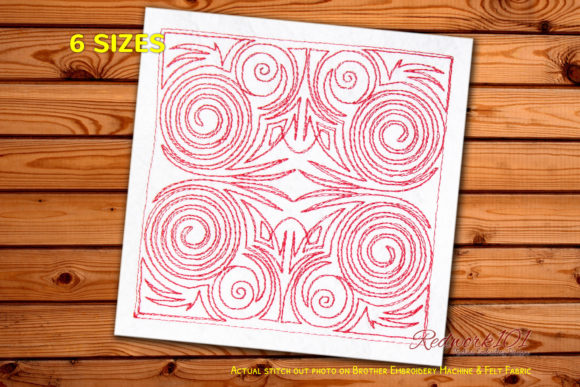
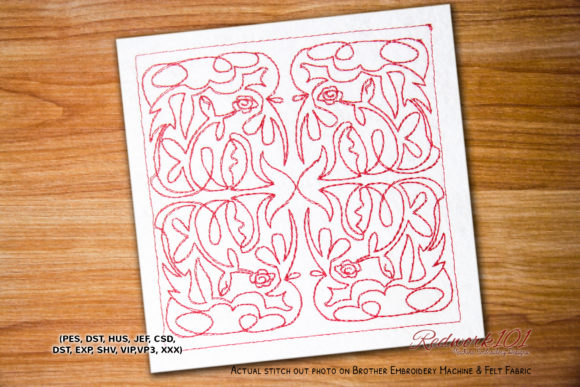
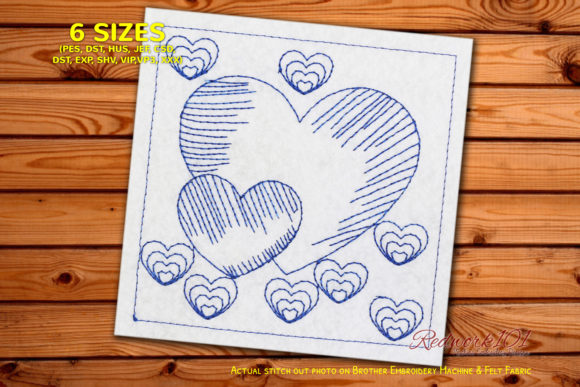
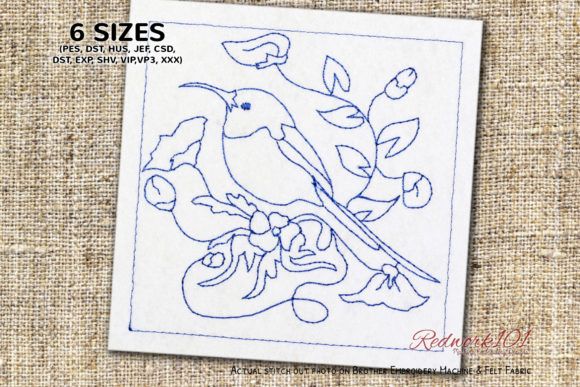
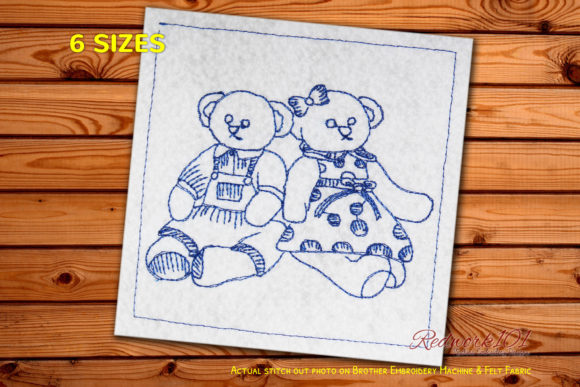
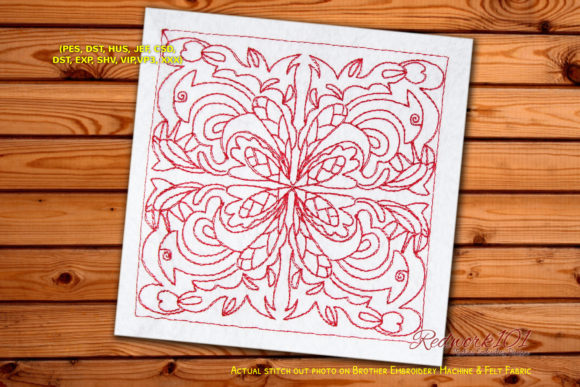
Quilt Block Design Redwork is the kind of digital asset that immediately signals quality to a discerning customer. As an experienced embroidery designer who spends weekends prepping booths for craft fairs, I am always looking for designs that bridge the gap between traditional charm and modern marketability. This design fits that niche perfectly. The title suggests a classic aesthetic, while the description hints at customization options that are crucial for creating unique handmade product lines.
When I first laid eyes on the preview, my mind went straight to the visual appeal of a rustic farmhouse table or a curated boutique shelf. The style feels timeless, evoking a sense of heritage and warmth. It is bold enough to be noticed from across a crowded aisle yet delicate enough to feel premium rather than mass-produced. For any Etsy seller or creative entrepreneur, this is the kind of machine embroidery design that builds brand consistency and trust.
First Impressions: Farmhouse Charm Meets Modern Marketability
The initial feeling of Quilt Block Design Redwork is one of clean, structured elegance. In the world of embroidery file trends, redwork has seen a massive resurgence because it offers high contrast with minimal color usage. This makes it incredibly versatile for various fabric textures. Whether you are working with crisp white cotton or a soft linen blend, the design stands out without needing a rainbow of thread colors.
The description notes that the box stitch is optional and that the outer box color can vary. This is a brilliant feature for a small shop product. It allows you to adapt the design to your specific inventory. If you are selling neutral-toned aprons, you might skip the colored box entirely to keep the look minimal. If you are targeting a festive market, adding a contrasting red box instantly elevates the piece into a holiday gift item. This flexibility is what separates a good digital embroidery file from a great one.
Product Potential: Where This Design Shines
In a real-world scenario, imagine setting up a booth for a weekend craft fair. You have a table covered in linens, displaying tote bags, aprons, tea towels, patches, caps, small pouches, pillow covers, and giftable handmade items. Where does Quilt Block Design Redwork fit best?
- Tote Bag Design: This is a top-tier application. A quilt block centered on a canvas tote bag creates an instant focal point. Customers love functional art, and this design adds a touch of personality to everyday carry items.
- Apron Embroidery: For kitchen-focused sellers, placing this on the bib of an apron works beautifully. It speaks directly to home cooks and bakers who appreciate traditional aesthetics.
- Tea Towel Embroidery: Tea towels are a staple craft fair product. The linear nature of a quilt block translates well to the rectangular shape of a towel, making it easy to package as a set.
- Embroidered Patch: With the right backing, this design could be cut out and sold as a standalone patch for jackets or denim vests, expanding your commercial embroidery offerings.
- Pillow Covers: For larger items, this design serves as a sophisticated accent. It pairs well with solid-colored fabrics, allowing the stitching to do all the talking.
The design also photographs exceptionally well for online listings. The geometric structure of a quilt block provides a natural frame for printable mockup photos, ensuring your product images look professional and organized on platforms like Etsy or social media.
Production Practicality and Selling Points
From a production standpoint, Quilt Block Design Redwork appears highly efficient. One of the biggest hurdles for embroidery business owners is time management. Designs that require excessive trimming or complex color changes slow down the workflow. The simplicity of redwork typically means fewer thread changes, which speeds up batch production significantly.
However, not every application is created equal. To ensure the best results, you must consider how the design behaves on different surfaces. On curved cap surfaces, the flat geometry of a quilt block needs careful positioning to avoid distortion. Similarly, when working with textured towels, the stitch density must be balanced so the texture doesn't get lost under the thread.
The design's clarity is key. At smaller sizes, intricate details can sometimes merge together. If you plan to use this for tiny accessories like small pouches or keychains, you need to verify that the fine lines remain distinct. A sharp, clear image is essential for maintaining the perceived value of your finished product.
Careful Use Notes for the Designer
Before you rush to print 50 units, there are several technical considerations to address. The description mentions that the box stitch is optional and that the outer box color varies. This implies that the design files may have layers or specific instructions that you need to review carefully. If these details are not explicitly provided in your download, you must contact the creator or test extensively before committing to a large run.
Here are critical checks to perform:
- Stitch Density: Check if the fill stitches are too dense for lightweight fabrics. Dense areas can cause puckering, especially on thin tees or sheer materials.
- Thread Contrast: While redwork often uses a single color, ensure you have a thread palette that pops against your target fabric. High contrast equals higher sales.
- Hoop Size: Confirm the recommended hoop size for the design. Attempting to embroider a large block in a small hoop can lead to misalignment or awkward stitching angles.
- Stabilizer Selection: Always use the right stabilizer. For heavy items like aprons, a cut-away stabilizer provides necessary support. For lighter items, a tear-away might suffice.
- Fabric Texture: Test on scrap fabric first. Some textures, like bouclé or thick fleece, may hide the detail of the quilt block, reducing its visual impact.
Maximizing Visual Appeal and Brand Value
Ultimately, the success of Quilt Block Design Redwork in your booth depends on how you present it. A well-executed design on a high-quality fabric tells a story of craftsmanship. It elevates a simple tote bag from a commodity to a keepsake. This perception of quality drives customer engagement and justifies a higher price point.
For those selling design assets or finished goods, consistency is everything. Using this design across a range of products—from market bags to giftable handmade items—creates a cohesive collection that customers want to browse. The rustic yet modern vibe appeals to a wide demographic, from young parents looking for nursery decor to older generations seeking vintage-inspired kitchenware.
Remember to confirm commercial licensing before selling finished products. Ensuring you have the rights to sell items made with this embroidery file protects your business and allows you to scale with confidence.
In conclusion, Quilt Block Design Redwork is a strong candidate for any maker looking to expand their intricate cuts or general embroidery catalog. Its versatility, combined with the practical benefits of redwork styling, makes it a smart investment for both physical and digital creators. By testing thoroughly and presenting it on high-quality bases, you can turn this design into a bestseller that captures the attention of craft fair attendees and online shoppers alike.