Mandala Zentangle Love Redwork Review
As an experienced embroidery designer who has reviewed thousands of digital files for commercial use, I approach every new asset with a critical eye toward scalability, durability, and brand impact. Today, I am evaluating the Mandala Zentangle Love Redwork design specifically for small business applications. This is not merely a decorative file; it is a potential cornerstone for branded merchandise, staff uniforms, and product packaging. My goal is to determine if this design holds up under the rigors of real-world production and if it aligns with professional standards for handmade brands and Etsy sellers.
First Impressions: Visual Personality and Brand Fit
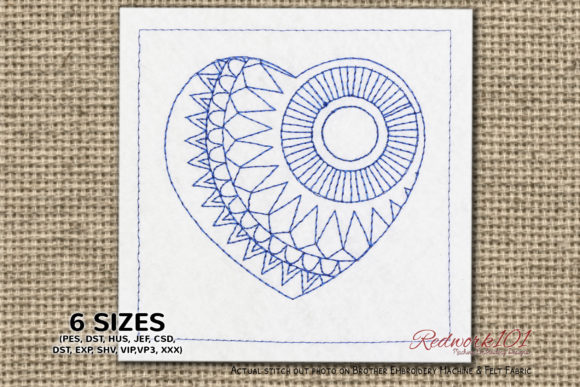
The moment you view the Mandala Zentangle Love Redwork, the aesthetic speaks immediately to a specific demographic. The combination of mandala geometry and zentangle patterns suggests a design that is intricate, mindful, and artistic. It feels both modern and classic, offering a "handmade" premium quality without appearing cluttered. For a small café, boutique, or creative studio, this design projects a sense of care and attention to detail that customers value.
The redwork style is particularly versatile. By relying on single-color outlines (typically), the design maintains high contrast and clarity even when stitched at smaller sizes. This makes it ideal for businesses that want a clean, uncluttered look. Whether applied to a white apron in a bakery or a dark tote bag for a florist, the design retains its integrity. It strikes a balance between playful and elegant, making it suitable for Valentine's Day promotions while remaining timeless enough for year-round branding.
Real-World Business Applications
In my review of how Mandala Zentangle Love Redwork performs across various touchpoints, the versatility stands out. This design is not limited to a single application; it functions effectively as a primary logo accent, a subtle chest detail, or a standalone patch.
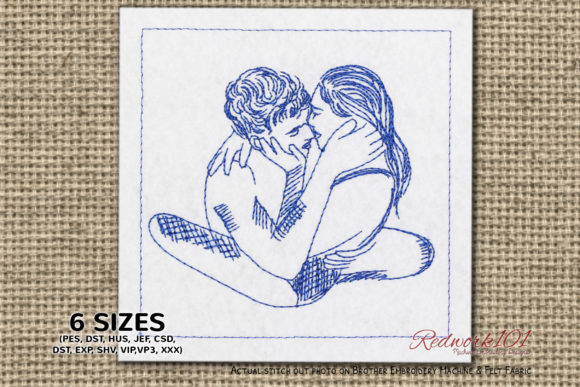
- Embroidered Patches: One of the strongest use cases for this file is creating custom embroidered patches. The geometric nature of the mandala allows for clean edges, which are crucial for machine-cut patches. A small business can apply these to denim jackets, canvas bags, or corporate swag kits. The optional box stitch mentioned in the description adds a nice framing element, though I recommend skipping it for a more organic, modern feel unless it fits the specific brand identity.
- Staff Uniforms and Aprons: For service-oriented businesses like cafes or bakeries, consistent branding is key. Stitching this design on the pocket of a work shirt or centered on a barista's apron elevates the perceived value of the uniform. It signals to the customer that the staff takes pride in their craft.
- Tote Bags and Caps: As a cap design, the circular flow of the mandala works well on curved surfaces, provided the size is appropriate. On tote bags, it serves as a perfect central focal point. The simplicity of the redwork style ensures that the stitching does not overwhelm the fabric texture of heavy cotton or canvas.
- Product Packaging and Labels: Many handmade brands struggle with how to add a personal touch to their packaging. Using this design as a label sewn into gift boxes or attached to product tags creates a cohesive unboxing experience. It transforms a generic item into a branded product.
Strategic Considerations for Production
While the design is strong, there are specific areas where a business owner must exercise caution. Not all fabrics and surfaces treat embroidery files equally. When planning to use Mandala Zentangle Love Redwork, you must consider the following constraints.
Small Patch Sizes and Cap Fronts: If you intend to produce very small patches (under 2 inches) or detailed cap front logos, the density of the zentangle lines becomes a risk. High stitch density can cause the fabric to pucker, especially on thin materials. You must ensure the design is scaled correctly so that individual stitches do not merge together, which would blur the intricate details.
Fabric Texture and Color Contrast: This design relies heavily on line definition. On textured fabrics like bouclé or heavy tweed, the fine lines may get lost. Similarly, on dark uniforms, a standard redwork thread color might lack sufficient contrast. You will need to select thread colors carefully to ensure the design pops against the background material.
Wash Durability: For items that require frequent washing, such as work shirts or kitchen aprons, the stability of the design is paramount. Ensure that the stabilizer used matches the weight of the fabric. Without proper support, the tension of the embroidery could distort the garment over time.
Impact on Brand Identity and Customer Trust
In the world of small business merch, visual consistency builds trust. A sloppy or poorly executed embroidery job can undermine a brand's reputation for quality. Conversely, a well-executed Mandala Zentangle Love Redwork design reinforces the narrative of a thoughtful, artisanal brand.
When a customer sees a perfectly stitched mandala on a tote bag or a neatly embroidered patch on a jacket, they perceive the business as established and professional. This design enhances product value by adding a tactile, premium element that mass-produced printed graphics cannot replicate. It fosters buyer engagement by creating a unique visual signature that customers recognize and associate with your specific brand identity.
Practical Designer Notes for Commercial Use
Before committing to a full production run, I strongly advise following these practical steps to ensure success with this digital embroidery file.
- Test in Black and White: Always create a monochrome mockup first. This helps you visualize the stitch density and spacing without the distraction of thread colors. It reveals if the design will remain legible when reduced in size.
- Check Small Size Legibility: Test the design at your intended final size. Zoom in on the zentangle details to ensure they do not become muddy blobs when stitched small.
- Review Thread Colors: Analyze the contrast between the thread and the target fabric. Do not assume standard colors will work; test different shades to find the optimal visibility.
- Inspect Spacing and Hoop Size: Confirm that the design fits within your standard hoop sizes. If the design requires a larger hoop than your machine supports, you may need to split the file or adjust the dimensions.
- Test on Real Fabric: Never rely solely on a screen mockup. Embroider a sample on the actual fabric you plan to use. This reveals how the fabric reacts to the needle and whether additional stabilizer is needed.
- Create Client Mockups: Before sending orders to production, generate a printable mockup for client approval. This sets clear expectations regarding the final look and feel of the finished product.
- Verify Commercial Licensing: Most importantly, confirm the commercial licensing terms of the file. Ensure you have the legal right to use Mandala Zentangle Love Redwork on products you intend to sell. If the license is unclear, contact the creator before proceeding.
Additionally, pay close attention to the description regarding the box stitch. The note indicates that the outer box color often differs from the main design. If this box is not integral to your brand logo, consider skipping it to maintain a cleaner, more focused aesthetic. This flexibility allows you to adapt the design to fit various product lines, from Valentine's Day special collections to everyday staff wear.
Ultimately, Mandala Zentangle Love Redwork is a robust tool for the modern embroiderer. With careful execution and an understanding of its limitations, it can elevate your small business merch, custom apparel, and digital embroidery projects to a professional level. By treating this design as a strategic asset rather than just a decoration, you ensure that every stitch contributes to a stronger, more recognizable brand.