Elephant with Hearts Redwork: A Designer's Review
As an experienced embroidery designer who spends countless hours testing files before they ever reach a customer, I recently put the Elephant with Hearts Redwork design through its paces. My goal was to determine if this piece would hold up as a premium offering in a personalized gift shop. The result? It is a charming, versatile choice that bridges the gap between playful and sentimental perfectly. Whether you are an Etsy seller looking for your next best-seller or a small business owner planning a Valentine's Day collection, this design offers a unique blend of whimsy and warmth.
First Impressions: Charm and Emotional Appeal
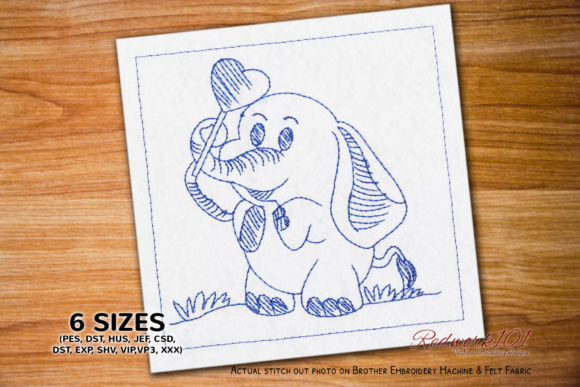
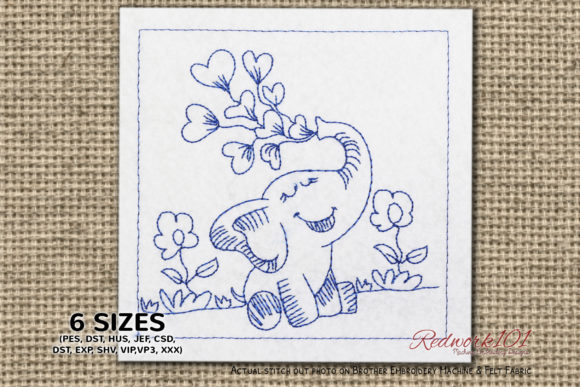
The moment I loaded the file into my machine, the mood of the Elephant with Hearts Redwork design struck me immediately. Unlike complex, multi-color satin stitch designs that can feel heavy or formal, this redwork approach feels light, airy, and distinctly handmade. The silhouette of the elephant is instantly recognizable and beloved, while the inclusion of hearts adds a layer of affection without being overly cloying. It strikes a perfect balance: it is sweet enough for a nursery but elegant enough for a wedding keepsake.
From a design perspective, the line work is clean. Redwork relies entirely on the quality of the stitching lines, so there is no hiding behind color fills. This means the design demands high-quality thread and proper tension. In my test runs, the emotional appeal was evident; it feels like a storybook illustration brought to life. For customers browsing a boutique online, this kind of visual clarity translates into trust. They know exactly what they are getting, and the simplicity allows the personalization—like a name or date—to take center stage alongside the imagery.
Versatility Across Product Categories
One of the strongest selling points of this machine embroidery design is its adaptability. I envision this pattern gracing a wide array of products that are currently trending among crafters and gift buyers. For baby product creators, placing this on a receiving blanket or a soft cotton onesie creates an instant classic. The gentle curves of the elephant are soothing, making it ideal for nursery decor items like pillow covers or wall hangings.
If you are a wedding gift designer, this design offers a subtle way to celebrate love. Imagine a custom embroidered towel set for a newlywed couple, where the elephant symbolizes strength and memory-keeping, while the hearts represent their union. It works beautifully on kitchen towels, aprons, or even tote bags for bridal showers. The redwork style is particularly effective here because it does not clash with various fabric textures, from crisp linen to soft terry cloth.
For digital product sellers and those creating printable mockups, this design is a goldmine. Its clean lines reproduce well in photographs, which is crucial for Etsy listings. When potential buyers see a clear image of the finished product on a white background or styled on a cozy throw, the perceived value skyrockets. It is a handmade product that looks professional yet accessible, appealing to anyone looking for a thoughtful, custom gift rather than a mass-produced item.
Ideas for Personalized Gifts
- Baby Embroidery: Perfect for christening gowns, first birthday blankets, or diaper bag patches.
- Wedding Keepsakes: Custom monograms on linens or guest book covers.
- Family Heirlooms: Incorporating family names into the border or below the design on framed pieces.
- Craft Fair Products: Pre-made tote bags or aprons featuring the design with generic phrases like "Love" or "Home."
Strategic Considerations and Limitations
While the Elephant with Hearts Redwork design is excellent, every seasoned maker knows that context matters. There are specific scenarios where this design requires careful handling to ensure the final output meets high standards. Because redwork is essentially a single-color outline (or limited colors), it lacks the depth that fill stitches provide. Therefore, it should be used carefully on textured fabrics where the thread might get lost in the weave.
Thick towels, for instance, can sometimes swallow fine details. If you are embroidering on a heavy bath towel, the stitch density might need adjustment, or the design may appear too faint. Similarly, stretchy baby clothes require a stabilizer that prevents puckering; otherwise, the delicate lines of the elephant could distort when the fabric stretches. Curved surfaces, such as rounded hat panels or curved seams, can also challenge the geometry of the design, potentially stretching the heart shapes out of proportion.
Dark fabric presents another challenge. While redwork can look striking on black or navy, the contrast depends heavily on the thread color chosen. If the thread is too similar to the fabric, the design disappears. Always compare light and dark fabric mockups before committing to a production run. Additionally, products that need frequent washing, like everyday dishcloths, should use high-quality polyester threads to prevent fading, as the intricate lines are the only detail holding the design together.
Practical Embroidery Notes for Makers
To ensure your custom embroidery projects succeed, I recommend following a strict workflow. First, always test on scrap fabric that matches the weight and texture of your final product. This step reveals how the fabric behaves under the needle and whether the stabilizer provides enough support. You must check thread color contrast against your specific material; a color that looks vibrant on a screen might look dull in person.
Confirm your hoop size before starting. If the design is large relative to the hoop, you may encounter registration issues or distortion. Review the stitch density within the software; while redwork is generally lightweight, ensuring the edges are tight will prevent fraying over time. Use a proper stabilizer—cut-away for permanent items like pillows and tear-away for temporary supports on garments. Pay close attention to small details after stitching; zoom in to ensure the hearts are fully formed and the trunk lines are continuous.
It is also vital to confirm commercial licensing before selling finished products. Many designers offer different tiers of rights, and using a file for resale without the correct license can lead to legal trouble. Regarding the description provided, note that the box stitch shown in some previews is optional. The color of the outer box often varies unless it is integral to the design itself. You have the flexibility to skip the box entirely if it does not fit your aesthetic, allowing you to focus purely on the elephant and hearts motif.
Final Thoughts on Giftability and Value
In the world of small shop products, the emotional connection is everything. The Elephant with Hearts Redwork design succeeds because it taps into universal feelings of care, protection, and love. Elephants are known for their long memories and strong family bonds, making them a powerful symbol for gifts meant to last. When combined with hearts, the message is clear: this is a gift given with intention.
This design elevates the perceived value of a project. A simple cotton tote becomes a cherished accessory when adorned with such a thoughtful motif. It encourages buyer engagement by inviting customization. Customers love seeing their own stories woven into the fabric, and this design provides a sturdy foundation for that storytelling. By paying attention to the technical details—stabilizer choice, thread selection, and fabric compatibility—you can deliver a finished product that not only looks beautiful but feels durable and worthy of the price point.
Whether you are preparing for Valentine's Day, launching a new line of baby gifts, or simply adding variety to your inventory, this file is a reliable addition to your digital library. It proves that sometimes the simplest designs make the most profound statements.