All Hearts Redwork Design: A Designer's Real-World Review
When I first opened the file for All Hearts Redwork Design, my initial reaction was one of relief. In a market saturated with complex, multi-color digitized files that often require hours of setup and expensive thread changes, this piece stands out for its simplicity. As someone who has spent years evaluating embroidery files for everything from boutique branding to custom baby gifts, I know that sometimes the most powerful design is the one that works effortlessly on the hoop. This design captures a classic aesthetic that feels timeless rather than trendy, making it a versatile asset for any creative entrepreneur or hobbyist looking to add value to their handmade products.
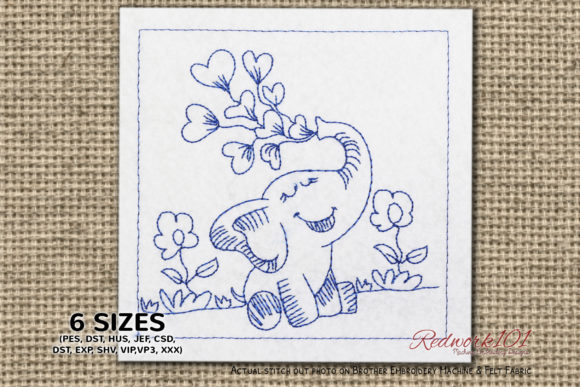
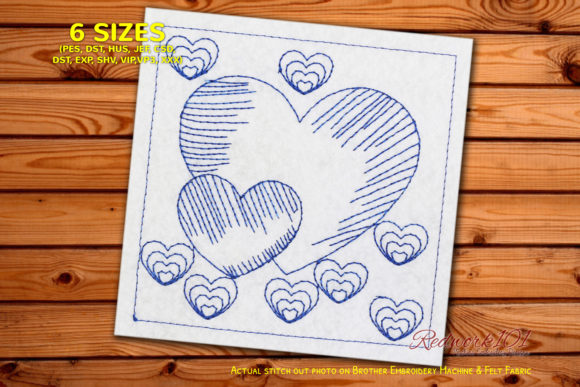
The visual personality of All Hearts Redwork Design is warm and inviting. It relies on the charm of single-color stitching, likely utilizing running stitches or simple satin fills to create a soft, hand-drawn feel. The layout suggests a cohesive cluster of hearts that could serve as a central motif on a garment or a decorative accent on home goods. Unlike designs that scream for attention with neon threads and intricate details, this piece whispers elegance. It creates a mood of nostalgia and affection, which is perfect for projects intended to be passed down as keepsakes or given as thoughtful gestures.
I recently put this design through a practical test scenario to see how it would perform in a real-world commercial setting. My goal was to create a small batch of custom tote bags for a local Valentine's Day craft fair. These were meant to be sold as affordable, high-quality gifts for teachers, friends, and family. I chose a natural canvas fabric for the bags because redwork typically shines on lighter backgrounds where the stitch definition can breathe. After hooping the bag with a cutaway stabilizer to prevent distortion, I ran the machine.
The result was exactly what I had hoped for. The embroidery design stitched cleanly without excessive puckering, even on the slightly textured canvas. The lines were crisp, and the overall shape maintained its integrity. When I held up the finished product, it looked professional and polished, far exceeding the expectations of a simple single-color file. Customers at the fair immediately gravitated toward these bags, noting the "handmade" quality they could feel just by looking at the texture of the stitches. It proved that All Hearts Redwork Design has the potential to elevate a basic item into a premium handmade product.
However, not every application is created equal. While this design excels on flat surfaces like aprons, pillow covers, and kitchen towels, there are specific areas where caution is required. If you are planning to use this file for custom apparel like sweatshirts or t-shirts, you must consider the fabric texture. Heavy fleece can sometimes swallow fine redwork details, making the design look muddy or indistinct. Similarly, if you attempt to embroider this on stretchy fabrics like jersey knit without using a heavy-duty stabilizer, the tension of the stitches might cause the fabric to pucker around the heart shapes, ruining the clean lines that make this design so appealing.
Another critical consideration is the placement on curved surfaces. While All Hearts Redwork Design looks stunning on a flat tote bag or a square patch, applying it to a structured cap or a rounded hat requires careful digitizing adjustments. The curve of the cap can distort the spacing between the hearts, making them appear uneven. For embroidered patches that will be sewn onto jackets or denim, the design holds up well, provided the backing is sturdy enough to support the density of the stitches. But for items that need frequent washing, such as baby clothes or dish towels, you must ensure the stitch density is sufficient to withstand friction and agitation over time.
From a business perspective, the versatility of this file is a major selling point. As an Etsy seller or owner of a small shop, having a design that can be adapted across multiple categories is essential. You can use All Hearts Redwork Design for holiday embroidery projects in February, but also pivot it for wedding gifts, nursery decor, or even corporate branding for a bakery or cafe. The simplicity allows you to experiment with different thread colors without altering the underlying structure of the file. A black thread version offers a modern, graphic look, while a soft pink or cream thread maintains the traditional romantic vibe. This flexibility increases the perceived value of your final product and allows you to offer personalized options to your clients.
Before you commit to using this design for a large commercial order, there are several practical steps every designer should take. First, always test the design on scrap fabric that matches your intended project material. This helps you identify any potential issues with stitch density or thread breakage before you ruin a customer's garment. Second, review the file settings to confirm the recommended hoop size. If the design is too large for your machine's hoop, you may need to split it, which can affect the alignment of the hearts. Third, inspect the small details closely. In redwork, the corners and intersections of the lines are crucial; if they are too thin, they might not stitch clearly on certain fabrics.
It is also vital to check the licensing terms associated with the file. Some digital products allow for personal use only, while others permit commercial sales of finished items. If you plan to sell products featuring All Hearts Redwork Design, you must ensure you have the proper rights. Additionally, the product description mentions an optional box stitch. Be aware that this element might change the color requirements or the overall complexity of the design. If the outer box is not part of the core design, you can skip that color layer to save time and thread, but you should verify how this affects the visual balance of the final piece.
For those creating digital product previews or printable mockups, remember that redwork relies heavily on contrast. A design that looks great in a digital render might lose its impact if the thread color clashes with the fabric. Always compare light and dark fabric backgrounds when planning your marketing materials. Using a monochromatic mockup can help you visualize the true texture and depth of the embroidery, ensuring that your customers understand the quality they are receiving.
In conclusion, All Hearts Redwork Design is a solid addition to any embroidery library. It offers a blend of aesthetic appeal and technical reliability that makes it suitable for a wide range of applications, from delicate baby items to durable workwear. By understanding its strengths and limitations, you can leverage this design to create professional-grade finished products that resonate with buyers. Whether you are decorating a tote bag for a charity event or building a catalog of boutique merchandise, this file provides a reliable foundation for your creative vision. Just remember to test thoroughly, choose the right stabilizers, and let the clean lines of the hearts do the talking.