Teddy Bear Love on Valentine Redwork Design Review
As an experienced embroidery designer who has spent years crafting assets for small businesses, I approach every new file with a critical eye. When evaluating Teddy Bear Love on Valentine Redwork, my focus is not just on how cute the image looks, but on its viability as a commercial asset. This design enters the market during a high-demand season, offering a blend of rustic charm and professional utility that can elevate a brand's visual identity. In this review, I will analyze how this machine embroidery design performs in real-world scenarios, from custom apparel to branded patches.
First Impressions: A Friendly Professional Touch
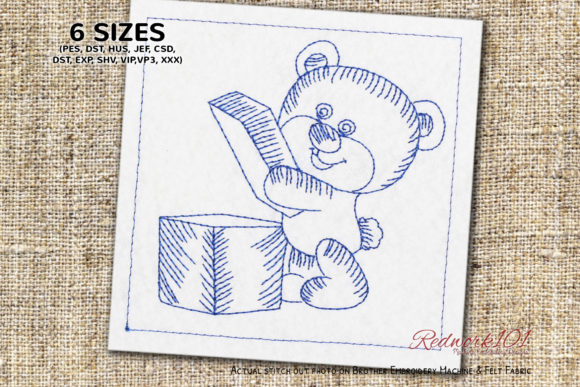
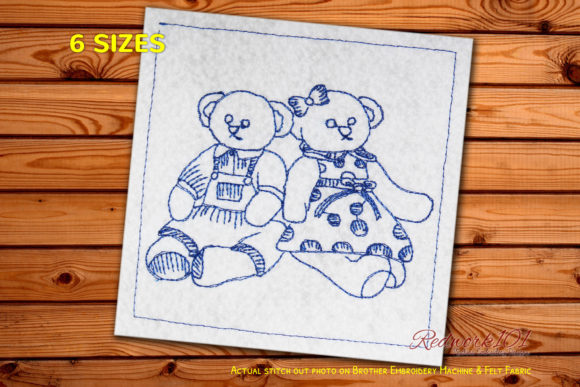
The immediate aesthetic of Teddy Bear Love on Valentine Redwork strikes a balance between playful and polished. The redwork style, characterized by single-color outlines, offers a distinct advantage for business use. It feels handmade yet precise, avoiding the clutter often found in complex multi-color digitizations. For a boutique, bakery, or creative studio, this design communicates warmth and approachability without sacrificing professionalism. It suggests a brand that values craftsmanship and personal connection.
The inclusion of an optional box stitch adds a layer of versatility. As noted in the product description, the outer box color can be customized or skipped entirely. This flexibility is crucial for maintaining brand identity. If your brand colors are vibrant, you might choose a contrasting box; if you prefer a subtle look, omitting it allows the teddy bear motif to stand alone. This adaptability makes the design suitable for everything from elegant wedding favors to rugged workwear accents.
Real-World Business Applications
When I imagine placing Teddy Bear Love on Valentine Redwork on actual merchandise, several high-value opportunities emerge. Small business owners often struggle to find designs that work across multiple product types, but this file is remarkably versatile.
- Embroidered Patches: This design is an excellent candidate for creating custom embroidered patches. The clean lines of the redwork style ensure that even at smaller sizes, the details remain crisp. Brands can sew these onto tote bags, denim jackets, or leather goods to create a unique selling point.
- Staff Uniforms and Aprons: For cafes, bakeries, or florists, adding a touch of personality to staff uniforms is key. Placing Teddy Bear Love on Valentine Redwork on the chest area of aprons or left-side work shirts creates a cohesive team look that feels inviting to customers.
- Caps and Headwear: Cap embroidery requires careful consideration of curvature and space. This design works well on the front panel of trucker hats or structured caps, serving as a memorable logo accent for summer events or promotional campaigns.
- Tote Bag Designs: Tote bags are a staple for crafters and Etsy sellers. Using this digital embroidery file on canvas totes provides a durable, washable alternative to printed graphics. It elevates the perceived value of the bag, making it a desirable giveaway or retail item.
- Product Packaging Accents: Beyond apparel, consider using this design on the tags attached to handmade products. A small stitched detail on a gift box or a hangtag reinforces the handmade product narrative and adds a tactile element that print cannot match.
Strategic Placement and Brand Recognition
The placement of Teddy Bear Love on Valentine Redwork significantly impacts customer trust and recognition. When used consistently on sleeves, collars, or hems, it becomes a signature mark of quality. Customers begin to associate the specific texture and style of the stitching with your brand's reliability. Unlike a temporary sticker, an embroidered patch or logo withstands the test of time and frequent washing, ensuring long-term brand visibility.
For Valentine S Day promotions, this design serves as a timely asset. However, its timeless nature means it can be used year-round, preventing the need to constantly source new design assets for seasonal updates. This consistency helps build a stronger brand identity over time.
Critical Considerations for Production
While the design shows great promise, an experienced designer must identify potential pitfalls before moving to mass production. Not all fabrics and surfaces are created equal, and understanding these limitations is vital for a successful finished product.
Size and Detail Constraints: Be cautious when scaling this down too far. While redwork is generally forgiving, extremely small patch sizes may lose definition. Always test the design at the intended final size to ensure the teddy bear features remain distinguishable. Similarly, avoid placing the design on highly textured fabrics where the needle might skip stitches or distort the pattern.
Surface Curvature: Embroidering on curved surfaces like cap fronts requires specialized hoops and stabilizers. If the design is too large or dense, it may pucker around the curve. Ensure the hoop size matches the garment shape to maintain tension and prevent distortion.
Thread Color Contrast: The description notes that the box color can vary. On dark uniforms, standard thread colors might get lost. You must carefully select thread colors that provide sufficient contrast against the fabric. For dark items, a lighter underlay or specific thread choice is essential to make the Teddy Bear Love on Valentine Redwork pop.
Density and Washability: High stitch density can make fabric stiff and uncomfortable. If the design is intended for frequently washed items like aprons or work shirts, ensure the stitch count is optimized for durability without compromising the fabric's drape. Frequent washing can cause unraveling if the stabilizer was not chosen correctly.
Practical Designer Notes for Success
To ensure your commercial projects succeed, follow these practical steps before launching into full production:
- Test in Black and White: Since redwork relies on outline clarity, simulate the design in monochrome first. This helps verify that the shape holds up without relying on color to define the form.
- Check Stitch Density: Review the file to ensure the density is appropriate for the target fabric. Too much thread can cause puckering, while too little can leave gaps.
- Inspect Spacing: Verify that the spacing between elements is adequate. Crowded designs often fail on small patches or tight areas.
- Confirm Hoop Size: Match the design dimensions to your available hoop sizes. If the design exceeds standard hoops, plan for re-hooping techniques which can affect alignment.
- Test on Real Fabric: Never guess. Run a test sample on the actual fabric you intend to use. This reveals issues with fabric texture and stability that cannot be seen on a screen.
- Use Proper Stabilizer: Select the correct stabilizer (cut-away, tear-away, or water-soluble) based on the stretchiness of the material. This is the foundation of a clean finished product.
- Create a Printable Mockup: Before sewing, generate a printable mockup for client approval. This allows stakeholders to visualize the final result on their specific merchandise.
- Compare with Other Assets: Place this design beside your existing logos or patterns to ensure visual consistency. Does it feel like part of the same family?
- Verify Commercial Licensing: Most importantly, confirm the commercial licensing terms. Ensure you have the right to sell products featuring this design before printing or embroidering them for resale.
If specific details regarding stitch counts, file formats, or exact dimensions were not provided in the initial download, it is imperative to check the source documentation or contact the creator before beginning any production run. Relying on assumptions can lead to costly errors in custom apparel and embroidery files.
Final Thoughts on Commercial Viability
Teddy Bear Love on Valentine Redwork stands out as a robust tool for small business merch creators and digital embroidery file buyers. Its ability to transition seamlessly from a festive Valentine S Day accent to a year-round brand identifier makes it a smart investment. By paying attention to the technical nuances of embroidery—such as stabilizer selection, thread contrast, and surface preparation—you can transform this simple design into a powerful marketing tool.
Whether you are decorating a line of tote bags, branding a team of baristas, or creating unique patches for a craft fair, this design offers the flexibility needed to meet diverse market demands. With careful execution, it can enhance customer engagement and elevate the overall perception of your handmade products. Remember, the success of any commercial embroidery project lies not just in the design itself, but in the precision of its application.