Rope Mooring Chain Redwork Review
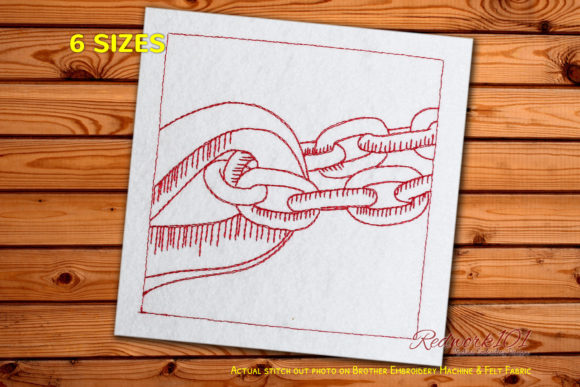
When I first opened the Rope Mooring Chain Redwork file, my immediate thought was not just about the stitches, but about the story it tells. As a designer who spends weekends prepping booths for local craft fairs and managing an online shop, I look at every new design asset with one question: "Will this sell?" The answer here is a resounding yes, provided we understand how to present it. This isn't just a generic pattern; it is a distinct machine embroidery design that carries a rustic, nautical charm perfect for the beach category while maintaining a versatility that fits farmhouse aesthetics.
The First Impression of Rope Mooring Chain Redwork
The moment you see the preview, the style is unmistakably redwork. This classic technique, characterized by single-color stitching usually in red, gives the design a bold, graphic quality that stands out against light fabrics. The title, Rope Mooring Chain Redwork, suggests strength and durability, which translates beautifully into a visual product. It feels both modern and timeless. Unlike overly intricate designs that get lost in a busy booth display, this piece has clean lines and strong shapes that catch the eye from across the room.
For a handmade market, this is gold. It evokes feelings of coastal living without being cliché. It is not "cute" in a childish sense, nor is it strictly "elegant" in a formal way. Instead, it strikes a balance of rugged and refined. When placed on a canvas tote or a linen tea towel, it instantly elevates the item from a basic utility object to a curated handmade product. The optional box stitch mentioned in the description adds a layer of customization. If you are selling to customers who love a pop of color, you can use the outer box to create contrast. If they prefer the purity of traditional redwork, you can skip it entirely. This flexibility is exactly what makes a digital embroidery file valuable for a small business owner.
Where Rope Mooring Chain Redwork Shines on Products
In my experience setting up tables for craft fairs, certain products simply perform better than others. For the Rope Mooring Chain Redwork design, I have identified several high-performing categories where this design will likely generate sales.
- Tote Bags: This is the crown jewel for this design. A sturdy canvas tote bag with a large, centered tote bag design featuring the mooring chain creates a statement piece. Customers love bags that are functional but also serve as a conversation starter. The design works best as a focal point on the front panel.
- Apron Embroidery: Kitchen aprons are a staple at any handmade shop. Placing the chain motif on the bib area of a denim or white apron offers a chic, utilitarian look. It pairs perfectly with the "Beach" category if you are targeting summer markets, but it also works year-round for home decor enthusiasts.
- Tea Towel Embroidery: There is nothing more inviting than a fresh kitchen towel with a unique design. The linear nature of the rope chain flows beautifully down the length of a standard tea towel. It is an affordable entry-level item that allows buyers to own a piece of your brand.
- Embroidered Patches: Because the design relies on strong outlines, it translates exceptionally well to iron-on patches. These are fantastic for upselling. You can offer a patch version of the Rope Mooring Chain Redwork for customers who want to add the motif to their existing jackets or beanies.
- Pillow Covers and Market Bags: For larger items like pillow covers, this design provides a sophisticated anchor for a coastal-themed living room. On market bags, it reinforces the idea of sustainability and durability.
Practical Selling and Production Insights
As an experienced designer, I know that a beautiful design on a screen does not always guarantee a beautiful finished product. The success of Rope Mooring Chain Redwork in a commercial setting depends heavily on execution. One of its greatest strengths is clarity. At a glance, the pattern is easy to understand. It does not require close inspection to appreciate the detail, which is crucial for a craft fair product where customers often browse quickly.
Photography is another critical factor. The high-contrast nature of redwork means it photographs exceptionally well for Etsy listings and social media. The dark thread against light fabric pops in photos, ensuring your small shop product looks premium even in a digital thumbnail. Furthermore, the design is highly repeatable. Once you have set up your hoop and stabilizer correctly, you can churn out batches of tea towels or caps efficiently, making it ideal for commercial embroidery production runs.
Careful Use Notes and Potential Pitfalls
However, we must be realistic about the challenges. While the design is robust, there are specific areas where attention to detail is required. The description notes that the box stitch is optional, which implies there may be dense stitch areas depending on how you configure the file. High stitch density can sometimes cause puckering if the wrong stabilizer is used, particularly on lightweight fabrics like thin cotton tees or delicate linens.
If you plan to embroider this on curved surfaces like caps, you need to ensure the design fits within the curvature of the hat without distorting the rope links. Similarly, tiny details in the chain links might lose clarity if you attempt to scale the design down too much for a small pouch or a button. Always test the thread colors carefully. While redwork traditionally uses red, using a deep navy or charcoal on a beige background can yield stunning results, but you must check the contrast ratio before mass production.
Textured fabrics, such as heavy waffle-weave towels or burlap, can hide the definition of the stitches. In these cases, the design might look muddy rather than crisp. It is best suited for smooth-to-medium texture fabrics where the needle can penetrate cleanly and lay flat. Also, be mindful of the hoop size; if the design is too wide for your standard hoop, you may encounter registration issues when repositioning the fabric.
Designer's Checklist for Success
To ensure your Rope Mooring Chain Redwork projects hit the mark, I recommend following a strict pre-production workflow. First, always test the design on scrap fabric that matches your final material. This step is non-negotiable for professional results. Check the thread contrast under natural lighting, as artificial booth lights can sometimes alter the perceived color intensity.
Review your spacing to ensure the design sits well within the garment's seam allowances. Confirm your hoop size capabilities and select a stabilizer that supports the weight of the fabric—cut-away stabilizers are generally best for durable items like tote bags and aprons, while tear-away may suffice for lighter home goods. Create at least one real mockup before listing the item for sale. A physical sample allows you to feel the hand of the embroidery and verify that the finished product meets your quality standards.
Finally, compare different fabric colors. A white background is safe, but experimenting with cream, sage green, or denim blue can make your design assets stand out in a crowded marketplace. Before you begin selling, confirm your commercial licensing terms. Ensure you have the right to sell finished goods made from this embroidery file so you can operate with peace of mind.
In conclusion, Rope Mooring Chain Redwork is a versatile, high-value addition to any embroidery portfolio. Its ability to blend seamlessly into the beach aesthetic while remaining a staple of farmhouse decor makes it a smart investment for creative entrepreneurs. With careful production and strategic placement, this design has the potential to become a bestseller in your booth or online store.