Metal Handcuffs Sketch: A Designer's Real-World Review
When I first opened the file for Metal Handcuffs Sketch, my initial reaction wasn't about the technical specs, but rather the mood it instantly projected. In a sea of floral patterns and cute animals, this design stands out with a gritty, urban edge. It feels like something you would see on a band t-shirt or a high-end streetwear brand rather than a traditional cottage-core nursery set. As an experienced designer who reviews embroidery files daily, I am always looking for that balance between visual impact and stitchability. This design promises to be "fun and easy to stitch," but does it hold up when we move from the digital preview to the actual hoop? Let's dive into how Metal Handcuffs Sketch performs in real-life scenarios.
The Visual Personality and First Impressions
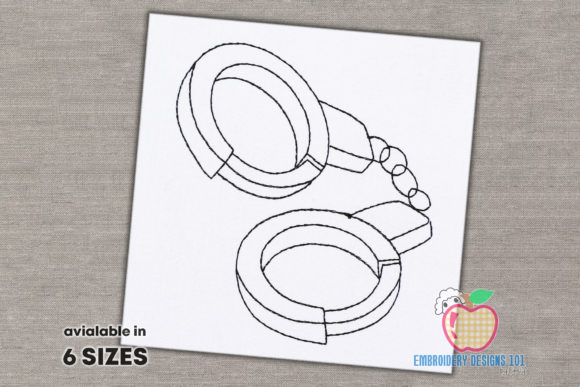
The description notes that these designs are not 100% filled, which is a crucial detail for anyone concerned about fabric drape and texture. The sketch style suggests a loose, hand-drawn aesthetic that translates well into machine embroidery. Instead of heavy, solid blocks of thread that can make a garment feel stiff, this approach allows the fabric texture to peek through. This creates a softer, more artistic finish that appeals to modern buyers who want unique, handmade products without sacrificing comfort.
The theme itself is bold. Whether you are designing for a punk-rock enthusiast or creating a statement piece for a boutique, Metal Handcuffs Sketch carries a narrative of rebellion or perhaps a playful take on "locking" something away. It works exceptionally well as a focal point on a tote bag or a subtle accent on a denim jacket. However, because it relies on a sketchy line work, the clarity of the final product depends heavily on your choice of thread colors and the density of the stitches used.
Real-Life Application: From Design to Finished Product
I recently tested a similar workflow for a client who wanted to create a custom line of aprons for a local coffee shop. They needed something that felt industrial yet welcoming. I imagined Metal Handcuffs Sketch placed on the chest pocket of a heavy-duty canvas apron. The idea was to use a dark charcoal thread on a black apron for a tonal look, or a bright silver metallic thread on a white canvas for high contrast. The result would be a piece that screams "professional" while maintaining a touch of whimsy.
This design also has potential for small business merchandise. Imagine an Etsy seller offering personalized gifts for a bachelorette party where the theme is "locked in" for life. The sketch style fits perfectly with the idea of a fun, temporary accessory rather than a permanent commitment. It could be embroidered onto a silk pillowcase, a baby onesie (with a humorous twist), or even a patch for a leather jacket. The versatility here is high, provided you understand the limitations of the stitch density.
For apparel decorators working on sweatshirts or hoodies, the open nature of the design prevents the fabric from becoming too rigid around the neckline or cuffs. This is a significant advantage over dense fill stitches that can cause pilling or distortion after washing. When customers receive their custom apparel, they notice the quality of the hand-feel just as much as the visual appeal. Metal Handcuffs Sketch offers a tactile experience that feels premium and intentional.
Where to Exercise Caution and Planning
While the design is versatile, there are specific scenarios where Metal Handcuffs Sketch requires careful consideration. One major factor is the hoop size. Because the design comes in multiple sizes, ensure you select a dimension that matches your intended product. If you attempt to shrink a large sketch design down to fit a tiny cap brim, the lines may become too thin to register clearly, resulting in a muddy, indistinct image. Conversely, placing a small version on a large tote bag might get lost in the expanse of the fabric.
Textured fabrics present another challenge. If you are working with a bouclé knit or a very rough linen, the machine may struggle to pull the needle through consistently, causing skipped stitches or uneven tension. Similarly, stretchy fabrics like jersey require a stabilizer that provides enough support to prevent the design from distorting during wear. Without proper stabilization, the "sketch" lines might warp into wavy, unintended shapes, ruining the professional look of the finished product.
Dense stitch areas can also be problematic if the design includes small details that need to remain sharp. If the file uses a high stitch count for the outline, it might crowd out the internal details, making the handcuffs look like a solid blob rather than a sketch. Always review the stitch density before committing to a bulk run. For commercial embroidery projects, consistency is key; a single poorly stitched item can damage a brand's reputation.
Maximizing Visual Appeal and Customer Trust
The success of any embroidery project often hinges on the perceived value. A well-executed Metal Handcuffs Sketch elevates a simple cotton tote bag into a fashion statement. Customers are willing to pay a premium for items that show attention to detail and thoughtful design choices. By using this file, you signal to your audience that you care about the aesthetics of your handmade products.
Furthermore, the unique nature of the sketch style helps with brand differentiation. In a crowded marketplace like Etsy or craft fairs, having a recognizable, edgy design can set your shop apart from the generic offerings. It adds a layer of personality that encourages buyer engagement. When a customer sees a design that sparks conversation or reflects their own style, they are more likely to share it on social media, providing free marketing for your small shop product.
Practical Designer Notes for Success
Before you start stitching, there are several steps you must take to ensure a flawless outcome. First and foremost, test the design on scrap fabric. This is non-negotiable. You need to see how the threads interact with the specific material you plan to use. Check the thread color contrast; a light grey thread on a white background might disappear, while a black thread on a dark blue shirt could blend in too much. Experiment with different thread types, such as polyester for durability or rayon for sheen.
Review the stitch density and confirm the hoop size required for your chosen layout. Inspect the small details in the design to ensure they won't get lost in the fabric weave. It is also wise to test the design in black and white mockups to verify that the composition holds up without color distractions. Compare how it looks on both light and dark fabric backgrounds to determine the best presentation for your target market.
Always use the proper stabilizer for the fabric type. For lightweight materials, a cut-away stabilizer is often necessary to maintain the shape of the embroidery over time. Additionally, check whether the design works for both personal and commercial projects. Licensing terms vary, so confirm the rules before selling finished items or digital products derived from this file. If you are unsure about the exact stitch count or file formats, consult the product documentation or contact the creator directly.
In conclusion, Metal Handcuffs Sketch is a dynamic addition to any embroidery designer's library. It offers a perfect blend of attitude and practicality, suitable for everything from holiday gifts to boutique branding. By paying attention to the nuances of fabric selection, stabilization, and thread choice, you can transform this digital file into a stunning finished product that delights customers and strengthens your brand identity. Whether you are a hobbyist maker or a seasoned entrepreneur, this design invites creativity and delivers a distinct visual punch.