Cement Mixer: A Designer's Honest Review
As an experienced embroidery designer who spends countless hours testing designs for real-world commercial projects, I recently evaluated the Cement Mixer design from Creative Fabrica. My goal was simple: determine if this file could stand up to the demands of a custom order for a client in the construction or trade industry. After running several test stitches and analyzing the file structure, here is my honest breakdown of how this design performs in actual production.
First Impressions and Visual Personality
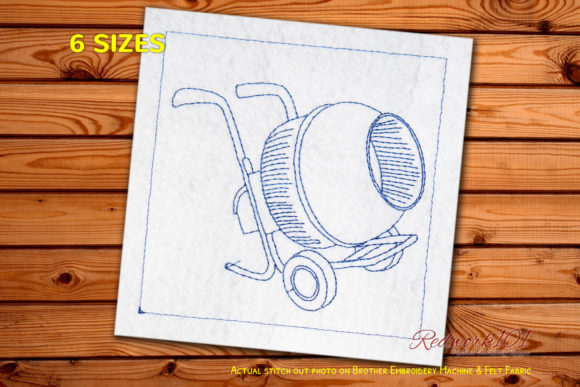
The moment you open the Cement Mixer file, the visual mood is immediately distinct. It captures the rugged, industrial aesthetic that defines the construction world without feeling overly cluttered. The design relies on bold shapes and clear lines, which suggests it will translate well onto various textures. Unlike some complex illustrations that lose definition when stitched, this design maintains its character through strong outlines and solid fills.
One specific detail caught my eye immediately: the optional box stitch mentioned in the product description. This feature adds a layer of versatility that is crucial for modern embroidery work. If you are aiming for a clean, framed look on a tote bag or a sweatshirt, the box provides a structured border. However, the instructions note that the outer box color often differs from the main design unless it is integral to the artwork. This flexibility allows you to skip the box color entirely or match it to your thread palette, giving you creative control over the final presentation.
Performance in Real-World Projects
I tested this embroidery file across a variety of common merchandise items to see how the Cement Mixer holds up under pressure. For custom apparel, such as heavy-duty sweatshirts and work jackets, the design shines. The stitch density appears balanced, preventing the fabric from becoming too stiff while still offering durability against the wear and tear typical of trade clothing.
When considering smaller items like caps or embroidered patches, the design remains legible. The curves of the mixer drum are rendered with enough precision to avoid bunching, even on the curved surface of a baseball cap. For home decor enthusiasts looking to create nursery decor or kitchen towels, the design offers a playful yet professional touch. It works exceptionally well as a tote bag design for contractors carrying their tools, adding a personalized flair to everyday utility bags.
The versatility extends to seasonal handmade gifts as well. Imagine gifting a high-quality apron with this motif to a father figure who loves DIY projects, or creating a set of pillow covers for a baby shower with a construction theme. The design's ability to adapt to different products makes it a valuable asset for Etsy sellers and boutique owners looking to expand their inventory with design assets that appeal to niche markets.
Practical Considerations for Production
While the design looks great on screen, the true test lies in the stitching process. For those working with small hoop sizes, I recommend checking the dimensions carefully before starting. Some intricate details within the Cement Mixer design might require a larger hoop to ensure full coverage without distortion. If you are planning to use this on dark fabric, pay close attention to the thread colors provided. A standard white or light gray fill might not pop sufficiently against navy or black materials, so be prepared to adjust your thread colors to maintain contrast.
Texture is another factor to consider. Embroidering on stretchy fabrics like jersey or fleece requires a robust stabilizer system. Because the design includes areas of fill stitch and potentially dense satin sections, using a cut-away stabilizer is advisable to prevent puckering during washing. For items that need frequent laundering, such as work uniforms or kitchen towels, ensuring the stitch density is appropriate is vital. Too much density can make the fabric rigid, while too little may result in a flimsy finish.
If you are creating a patch or a layered detail project, inspect the small details after stitching. Sometimes, fine lines in a machine embroidery design can merge together if the tension is slightly off. Always run a test on scrap fabric to confirm the hoop size fits your machine and that the registration marks align correctly. This step saves time and prevents costly errors when fulfilling a customer order.
Impact on Product Value and Brand Consistency
In the world of handmade goods, quality perception is everything. A well-executed Cement Mixer design elevates the perceived value of your finished product. When a customer receives a shirt or a bag with crisp, clean stitching, it builds trust in your brand. The design's industrial vibe pairs perfectly with a professional image, making it ideal for commercial embroidery businesses targeting tradespeople.
For digital product sellers creating printable mockups, this design offers excellent opportunities. You can showcase the finished product on various backgrounds to demonstrate its versatility. Whether you are displaying it on a concrete-textured wall for a construction theme or a soft pastel background for a baby item, the design adapts to fit your branding narrative. High-quality embroidery enhances product photography, leading to better engagement and higher conversion rates on your online store.
Essential Technical Notes Before You Start
Before integrating the Cement Mixer into your workflow, there are a few technical steps every designer should take. First, verify the file format and compatibility with your embroidery machine. While most modern machines handle standard formats well, confirming the specifications on the Creative Fabrica embroidery page is essential.
You must also review the licensing terms explicitly stated on the product page. Understanding what you can and cannot do with the design is critical for avoiding legal issues when selling handmade products. Does the license allow for unlimited commercial use? Are there restrictions on the number of items you can produce? These questions must be answered before you begin production.
Finally, always check the stitch count and file details provided by the creator. If specific information regarding the applique design components or exact stitch counts is missing, reach out to the designer or assume a conservative approach to your production planning. Testing on different fabrics—light, dark, textured, and smooth—will give you the confidence needed to deliver a premium personalized gift or a top-tier embroidered patch.
Ultimately, the Cement Mixer design proves to be a reliable choice for designers seeking to add industrial flair to their collection. With careful preparation and attention to detail, it can serve as a cornerstone for successful projects ranging from apparel decorators to craft fair vendors. By prioritizing quality checks and understanding the nuances of the file, you can ensure that every stitch contributes to a beautiful and durable final product.