Rooster Sitting a Fence Redwork Review
As an experienced embroidery designer who frequently scouts for new design assets to expand my collection of handmade goods, I often find myself at a crossroads. Do I use the latest trendy digitization, or do I stick to classic, versatile styles that appeal to a broad audience? Recently, I evaluated the Rooster Sitting a Fence Redwork file from Creative Fabrica with a specific commercial project in mind: a line of rustic-themed kitchen towels and nursery decor. This review is not just a description; it is a practical evaluation of how this embroidery file performs when moved from a digital preview to a real-world production environment.
The First Impression: Visual Mood and Design Personality
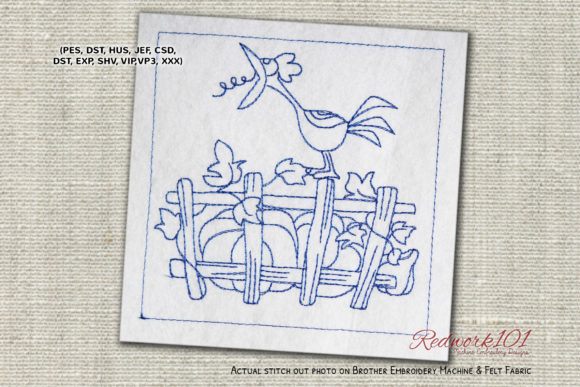
When you first download the Rooster Sitting a Fence Redwork, the immediate appeal lies in its simplicity. In a market saturated with complex, multi-color 3D puff designs, a clean redwork style stands out for its timeless quality. The design features a rooster perched on a fence, rendered entirely in outlines without internal fills. This aesthetic suggests a "farmhouse" or "cottagecore" vibe that resonates deeply with current trends in home decor and apparel.
The visual mood is charming yet unpretentious. Unlike dense satin stitch designs that can feel heavy on fabric, this piece relies on the negative space and the texture of the stitching itself. It feels like something you would see stitched onto a vintage quilt or a well-worn apron. For designers looking to create a cohesive brand identity around rustic living, this design offers a perfect anchor. It is versatile enough to be used as a standalone motif or paired with complementary text for a personalized gift.
Performance in Real Embroidery Projects
I tested the Rooster Sitting a Fence Redwork on several substrates to gauge its performance across different product categories. The results were largely positive, particularly for items that require a soft hand and a subtle look.
- Kitchen Towels and Aprons: The design excels here. On a white flour sack towel, the outline stitches create a delicate contrast that looks professional and high-end. Because there are no large blocks of fill stitch, the fabric remains breathable and retains its drape, which is crucial for functional items like aprons.
- Baby Items and Nursery Decor: For baby blankets and crib bumpers, this design is ideal. The lack of bulky stitching ensures comfort against sensitive skin. The redwork style translates beautifully into pastel thread colors, making it a top choice for gender-neutral nursery themes.
- Tote Bags and Custom Apparel: When placed on canvas tote bags or cotton sweatshirts, the design holds its shape well. However, the success here depends heavily on the stability of the base fabric. The simple lines allow the design to adapt slightly to the texture of the material without losing definition.
- Embroidered Patches: If you plan to sell these as iron-on patches, the clean lines make trimming and backing application straightforward. The optional box stitch mentioned in the product details adds a nice framing element if you want to give the patch a more finished, bordered look.
Practical Considerations for Commercial Production
While the design is visually appealing, every machine embroidery design comes with technical nuances that must be managed during production. As a professional reviewing this for commercial use, there are specific areas where attention is required.
Hoop Size and Stitch Density: The design is relatively compact, making it suitable for smaller hoops (4x4 or 5x7). This is advantageous for producing multiple units quickly without needing to re-hoop frequently. However, because it is a redwork style, the stitch density is generally lower than a fully filled design. This means you must ensure your stabilizer is robust enough to prevent puckering, especially on stretchy fabrics like jersey for custom apparel.
Fabric Compatibility: The design shines on light-colored fabrics where the thread color contrasts sharply. On dark fabrics, you will need to use a lighter thread color or consider a background applique if the design allows, though this specific file appears to be a single-color outline. Testing on scrap fabric is essential to confirm thread visibility. Additionally, the texture of the fabric matters; a smooth poplin will show the running stitches crisply, while a heavy denim might obscure some of the finer details of the fence rails.
Curved Surfaces and Caps: Attempting to embroider this on a curved cap surface requires a specialized hoop and careful tension management. The straight lines of the fence might distort slightly if the machine tension is off. For best results on caps, I recommend using a rigid backer and ensuring the design is scaled appropriately to fit the panel curvature.
Impact on Product Value and Brand Consistency
In the world of Etsy listings and craft fair products, presentation is everything. A well-executed Rooster Sitting a Fence Redwork design elevates the perceived value of the finished product. Customers associate clean, precise stitching with quality craftsmanship. When a buyer sees a perfectly executed redwork design on a tote bag or pillow cover, they are more likely to trust the durability of the item and justify a higher price point.
This design also supports strong brand consistency. If you run a shop focused on rustic or country themes, having a library of similar redwork files allows you to create a unified look across your entire catalog. Whether it is a set of matching kitchen towels or a coordinated gift basket, the consistent style helps build a recognizable brand image. Furthermore, the design is excellent for product photography; the clean lines photograph well under natural light, creating attractive mockups for online stores.
Essential Technical Notes for Success
Before committing to a bulk order or launching a new product line, there are critical steps to take to ensure the embroidery file performs as expected.
- Test on Scrap Fabric: Always run a test stitch-out on the same fabric and stabilizer combination you intend to use for the final product. This reveals potential issues with thread breaks or tension before you waste materials.
- Check Thread Color Contrast: Ensure the thread color chosen provides sufficient contrast against the fabric. Redwork relies on the visibility of the outline, so low-contrast combinations can make the design disappear.
- Review Stitch Density: Examine the digitization for any overly dense areas. While redwork is typically light, check if the corners of the fence or the rooster's comb have excessive jumps that could cause tangling.
- Confirm File Details: Verify the file format compatibility with your embroidery machine. Also, double-check the licensing terms on the Creative Fabrica product page to understand the rules for selling finished physical goods versus digital prints.
- Inspect Small Details: After stitching, inspect the fine lines of the fence rails. If they appear too thin or broken, you may need to adjust the thread weight or the machine tension.
Final Verdict
The Rooster Sitting a Fence Redwork is a solid addition to any designer's arsenal. Its charm, versatility, and ease of execution make it a strong candidate for a wide range of projects, from seasonal gifts to everyday household items. By paying attention to fabric selection, stabilization, and testing, you can leverage this design to create high-quality, commercially viable products that customers will love. For those looking to add a touch of rustic elegance to their handmade product lineup, this design delivers on both aesthetic and practical fronts.