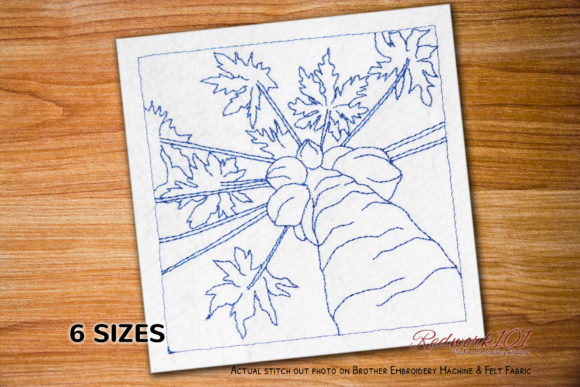
Papaya Tree Lineart: A Boutique Designer's Review
As an experienced embroidery designer, I spend my days evaluating digital assets to ensure they translate perfectly from a screen to the fabric of our next collection. Recently, I was tasked with selecting the perfect design for a limited sweatshirt drop for a small boutique brand. The goal was to find something that felt organic, fresh, and distinctly handmade while maintaining the high standards expected by modern consumers. That is when Papaya Tree Lineart caught my eye. This isn't just another generic food icon; it is a sophisticated piece of art that bridges the gap between rustic charm and contemporary minimalism.
The First Impression: Mood and Visual Personality
When I first opened the file, the immediate feeling was one of airy elegance. The title, Papaya Tree Lineart, suggests simplicity, and that is exactly what delivers. Unlike heavy, blocky designs often found in mass-market templates, this piece relies on clean lines and negative space. It feels playful yet refined, making it ideal for a boutique brand looking to establish a unique visual identity without shouting for attention. The line work has a delicate, hand-drawn quality that promises to look exceptional as a finished product, particularly on soft fabrics like cotton fleece or French terry.
The mood is undeniably summery and relaxed. It evokes the feeling of a tropical breeze or a slow Sunday morning, which aligns perfectly with current trends in cozy seasonal apparel. Whether you are designing for a lifestyle brand or a small shop focusing on comfort wear, this design offers a touch of whimsy that resonates with customers who value aesthetic details. It strikes a balance between being cute and bold enough to stand out on a garment.
Real-World Application: Sweatshirts and Hoodies
In the context of sweatshirt embroidery, placement is everything. I envision Papaya Tree Lineart taking center stage on the left chest of a neutral beige or oatmeal hoodie. On these lighter tones, the line art would pop with a subtle contrast, perhaps using a sage green or terracotta thread to complement the natural theme. For a darker fabric, such as charcoal or deep navy, the design could be executed in a bright, crisp white or a vibrant coral to create a striking focal point.
I also see immense potential for oversized hoodies where the design might be scaled up for a back print or a large sleeve accent. The open nature of the line art ensures that even at larger sizes, it retains its clarity and doesn't become cluttered. For a smaller shop product, placing this design on a cropped hoodie or a cozy pullover creates a sense of exclusivity. It transforms a basic garment into a statement piece that feels curated and thoughtful.
The versatility extends beyond just the main body. As a hoodie design, it works beautifully as a trio on the sleeves or as a small, repeated pattern along the hem. This kind of detail elevates the perceived value of the item, signaling to the buyer that care was taken in the creation process. When photographing these items for Etsy listings or mockup previews, the clean lines of the design allow the texture of the fabric to shine through, creating rich, tactile images that drive engagement.
Design Assets for Digital Sellers
For those of you selling digital embroidery files or printable mockups, Papaya Tree Lineart is a versatile asset. Its line-based structure makes it adaptable for various colorways. You can offer it as a single-color minimalist option or encourage buyers to experiment with multi-thread gradients to add depth. This flexibility is crucial for creative entrepreneurs who want to offer customization options without needing to purchase multiple separate designs.
The design fits seamlessly into a broader collection of design assets. Imagine pairing it with other botanical line arts or simple typography to create a cohesive "Tropical Living" series. This strategy builds a stronger brand identity and encourages customers to buy more than one item, increasing the average order value for your store.
Technical Considerations for Commercial Embroidery
From a technical standpoint, executing this design requires careful planning. Because the design relies on fine lines, stitch density must be managed correctly. Too much density will cause the fabric to pucker and obscure the delicate details, while too little may result in a weak, unfinished look. For commercial embroidery on thick sweatshirt material, I recommend using a cutaway stabilizer to provide the necessary support without adding excessive stiffness. This ensures the design remains durable through countless washes while maintaining its shape.
Hoop size is another critical factor. Given the likely dimensions of a tree motif, a 4x4 hoop or a 5x7 hoop would be appropriate depending on the desired scale. If you are working with smaller hoop sizes, you may need to split the design, but the linearity of Papaya Tree Lineart usually allows it to fit comfortably within standard hoops without losing its integrity. However, always check the specific hoop size requirements before starting production to avoid any alignment issues.
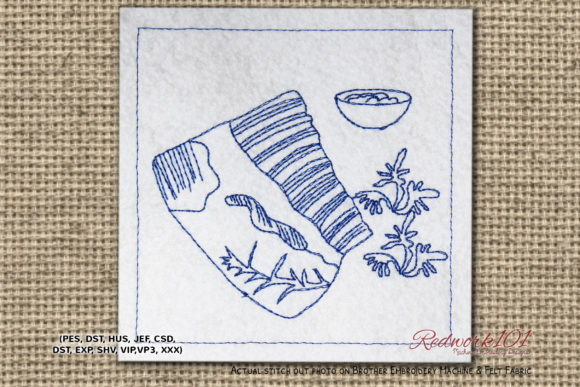
One specific note regarding the file instructions mentions an optional box stitch. The description notes that the outer box color varies or can be skipped entirely. This is a fantastic feature for designers who prefer a floating, organic feel over a boxed-in look. Skipping the box allows the design to breathe, especially on fabric texture like heather grey or marled fleece. If you do choose to include the box, ensure the thread colors contrast well with the background fabric to maintain readability. Always verify if the box is part of the core design or an optional element before finalizing your thread palette.
Thread Colors and Fabric Texture
Selecting the right thread colors is essential for bringing the design to life. Since the subject is a papaya tree, earthy greens, warm oranges, and soft browns work naturally. However, don't be afraid to break convention. Using a monochromatic scheme, such as varying shades of blue or pink, can give the design a modern, graphic appeal that stands out in a crowded market. The key is to ensure there is enough contrast so the lines remain distinct against the chosen embroidery file background.
The thickness of the sweatshirt fabric plays a significant role in how the stitches sit. Thicker fabrics can sometimes hide fine details, so testing a sample on the actual material is highly recommended. If the lines appear too thin after stitching, consider adjusting the satin stitch width slightly to enhance visibility without compromising the artistic style.
Elevating Brand Identity and Customer Trust
In the world of handmade products, the quality of the embroidery speaks volumes about the brand. A well-executed handmade product featuring Papaya Tree Lineart signals attention to detail and a commitment to quality. Customers are increasingly discerning; they want to know that the items they buy are made with care and precision. By investing in a design that looks premium and professional, you build trust and foster loyalty among your audience.
This design also enhances visual recognition. Once customers associate the clean, organic lines of the papaya tree with your boutique, it becomes a signature element of your brand. It helps differentiate your shop from competitors who might use generic, clip-art-style graphics. The unique aesthetic of this machine embroidery design adds a layer of sophistication that appeals to a wide demographic, from young adults to mature shoppers looking for quality lifestyle apparel.
Ultimately, Papaya Tree Lineart is more than just a graphic; it is a tool for storytelling. It tells a story of nature, relaxation, and craftsmanship. Whether you are an Etsy seller looking to expand your catalog or a small business owner launching a new season, this design offers the perfect blend of style and substance. Just remember to review the specific file details regarding the optional box stitch and confirm your stabilizer choices to ensure the best possible outcome for your finished product.