First Birthday Cute Baby Pumpkin Review
I have spent years reviewing machine embroidery design files for my own boutique and for clients who need reliable assets for their craft business. Most designs are forgettable, but a few stand out because they solve a specific problem or capture a mood perfectly. Today, I am putting the 1st Birthday Cute Baby Pumpkin to the test. This is not just about whether it stitches; it is about whether it elevates a finished product enough to justify a price point or make a customer smile.
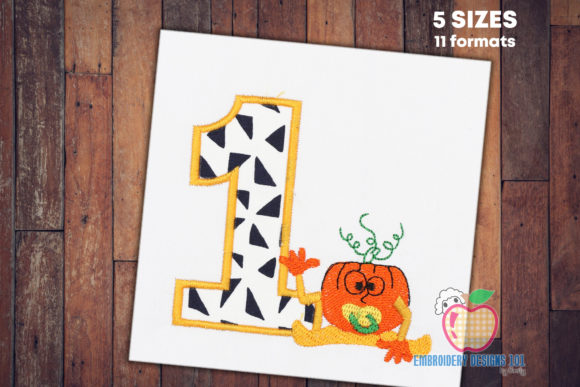
When you first look at the layout of the 1st Birthday Cute Baby Pumpkin, the immediate feeling is one of cozy autumn warmth mixed with infantile innocence. The concept of a baby pumpkin with a pacifier is a clever twist on standard birthday motifs. It avoids the generic "Happy Birthday" text that floods Etsy listings and instead offers a character-driven piece of art. For a designer looking to create a cohesive collection, this design feels like a natural anchor for a fall-themed nursery line or a seasonal gift shop.
Real-World Application: The Tote Bag Scenario
To truly understand the value of this file, I imagined a real project scenario. Let's say I am preparing a batch of custom embroidered tote bags for a local craft fair. These bags will be sold as gifts for new parents celebrating their child's first year. The goal is to create something that looks handmade, professional, and unique.
If I place the 1st Birthday Cute Baby Pumpkin on a canvas tote, the visual impact changes based on the placement. Because the design includes an applique option, it adds texture that flat stitching cannot match. Imagine using a soft, burnt-orange fabric for the pumpkin body and a contrasting white or cream for the background. When stitched onto a neutral beige bag, the applique design pops with depth. It creates a tactile element that customers love to touch, which often leads to higher conversion rates in physical retail settings.
However, if I were using this for a quick turn-around order on a sweatshirt, I might skip the applique and rely on the satin stitch details. The design scales well from 4 inches up to 8 inches, which gives me flexibility. A smaller version works perfectly centered on a baby onesie, while the larger 8-inch variation commands attention on the back of a hooded sweatshirt or the front of a kitchen apron. The ability to adjust the size without losing the integrity of the shape is crucial for a versatile embroidery file.
Stitch Quality and Visual Clarity
In my experience, the devil is always in the stitch density. Some cheaply made digitizing jobs result in puckering, especially when using dense fill stitches on thin fabrics. From what I can see in the preview and structure of the 1st Birthday Cute Baby Pumpkin, the balance between the pumpkin shape and the facial features seems well-calculated. The pacifier detail requires precision; if the satin stitch is too wide, it loses definition. If it is too narrow, it looks fragile.
The design appears to use a mix of fill stitch for the main body and running stitch for finer outlines. This combination usually yields a softer, more organic look compared to rigid block lettering. For a personalized gift, this softness translates to a perceived higher quality. Customers associate intricate, clean lines with care and attention to detail. When a buyer sees a crisp embroidered patch or a clean logo on a garment, they trust the brand more. This design supports that professional image effectively.
Where to Exercise Caution
Even the best digital embroidery file has limitations depending on the substrate. While the 1st Birthday Cute Baby Pumpkin is robust, there are scenarios where I would advise against using it without modification or extra testing.
- Small Hoop Constraints: Although the design comes in sizes suitable for 4×4 hoops, pushing the smallest version (4 inches) onto a very small item like a cap brim can be risky. The curve of the cap might distort the circular nature of the pumpkin, making it look squashed. I recommend saving the 4-inch version for flat surfaces like hats' front panels or bibs rather than curved areas.
- Fabric Texture and Weight: Delicate fabrics, such as thin cotton voile or stretchy jersey, require careful stabilizer selection. Without adequate cut-away stabilizer, the tension of the thread colors could pull the fabric, ruining the drape of a baby shirt. Always test on scrap material first.
- Dark Fabrics: If you plan to embroider this on black or navy fabric, the contrast is key. The design likely relies on light threads to define the pumpkin. On dark backgrounds, you may need a underlay layer or a specific thread choice to ensure the details don't get lost in the darkness.
- Dense Stitch Areas: If you are creating a commercial product that needs frequent washing, check the density of the fill stitches. Excessive stitching can make the fabric stiff, which is undesirable for baby clothing. Ensure the design allows the fabric to breathe slightly.
Impact on Product Value and Branding
For Etsy sellers and small shop owners, the aesthetic of your products dictates your brand identity. The 1st Birthday Cute Baby Pumpkin fits seamlessly into a "Fall Baby" or "Autumn Nursery" theme. It is distinct enough to stand out in a crowded marketplace yet familiar enough to appeal to a broad audience. Using this design helps establish a consistent visual language across different items—whether it is a pillow cover, a tea towel, or a set of burp cloths.
When customers receive a package containing a personalized item featuring this design, the emotional connection is stronger than with a generic clipart. The inclusion of the pacifier adds a narrative element; it tells a story about comfort and milestones. This storytelling aspect is vital for holiday gifts and special occasions. It transforms a simple embroidered item into a keepsake.
Practical Designer Notes for Implementation
Before you commit to a full production run, follow these steps to ensure the 1st Birthday Cute Baby Pumpkin performs as expected:
- Test on Scrap Fabric: Never start with your final product. Use a scrap of the exact fabric you intend to sell. This reveals how the stitch density interacts with the weave.
- Check Thread Contrast: Create a mockup using digital tools or a physical sample to verify that the thread colors pop against your chosen background. A pumpkin that blends into the fabric defeats the purpose.
- Review Small Details: Zoom in on the pacifier and eyes. Ensure there are no jagged edges or missed jumps that could snag during wear.
- Confirm Licensing: If you are selling finished goods, double-check the license terms provided by the creator. Some commercial embroidery licenses restrict the number of units you can produce or require a separate fee for high-volume sales.
- Use Proper Stabilizer: Match your stabilizer to the weight of the fabric. Heavyweight tear-away might work for a tote bag, but a stable cut-away is essential for knits and baby clothes.
The 1st Birthday Cute Baby Pumpkin is more than just a cute graphic; it is a functional tool for designers who want to add charm and professionalism to their output. Whether you are decorating a baby shower gift or stocking your online store, this design offers the versatility needed for modern embroidery projects. By understanding its strengths and respecting its limitations, you can create finished products that delight customers and build lasting trust in your brand.